

Need Help?
Call an heating expert on 01282 429061

 PayPal Spread The CostKlarna, Clearpay or PayPal
 Free DeliveryOrders Over £500Excludes boilers and worktops
 Price Match PromiseWe won't be beaten on price
Need Help?
Call an heating expert on 01282 429061
| Wood Species | Black Oak |
|---|---|
| Stave Construction | Standard Stave |
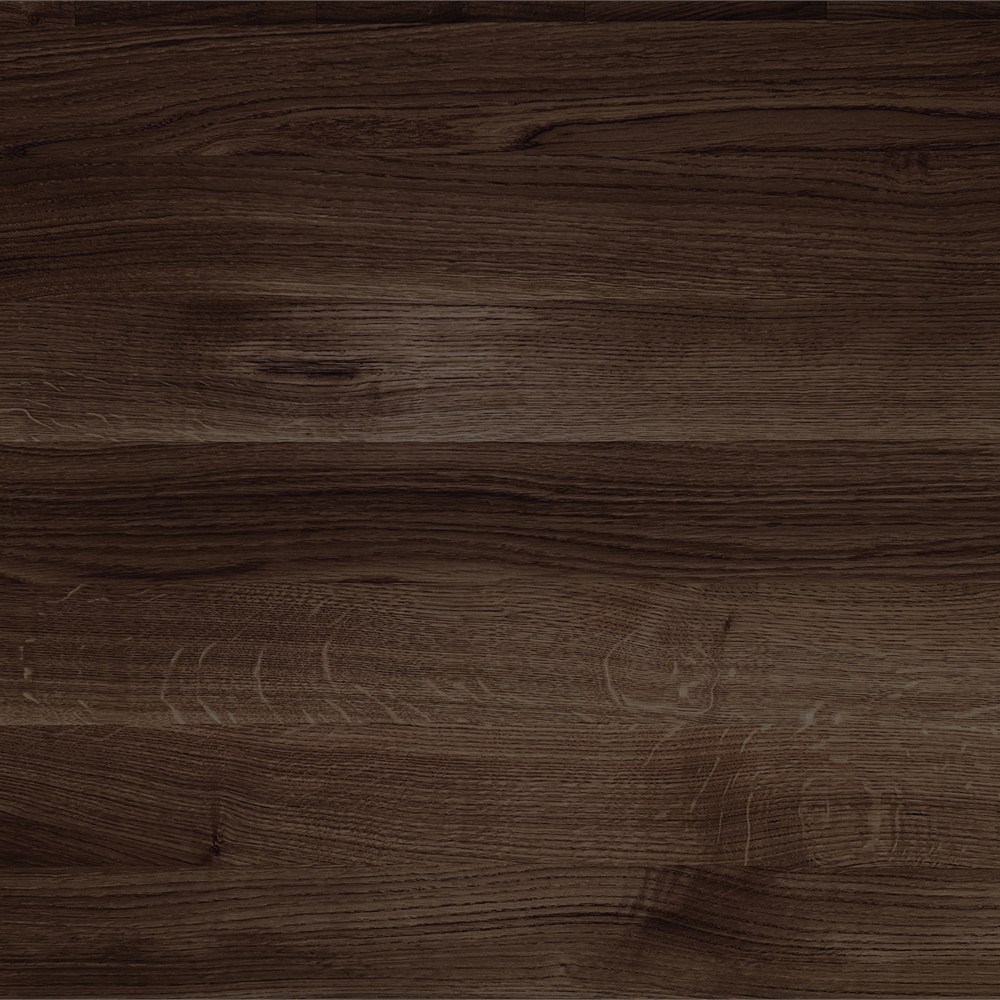
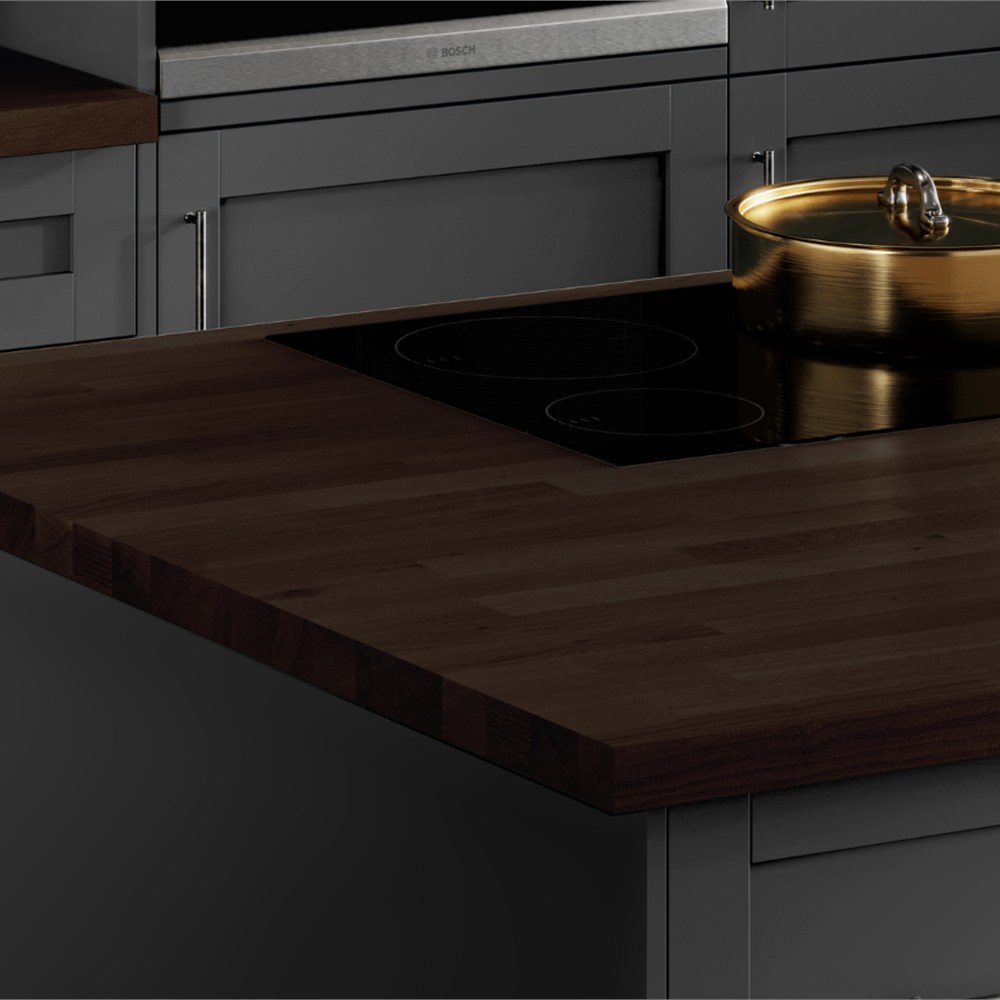
De Terra black oak takes solid European oak and stains it a deep espresso black that lets the grain shimmer through - the worktop for kitchens with black worktop ambitions that refuse to settle for printed laminate.
These worktops arrive sanded and unoiled. They must be oiled before they go in - every face, every cut edge and the underside, because a sealed edge is what keeps water out of the timber around a sink.
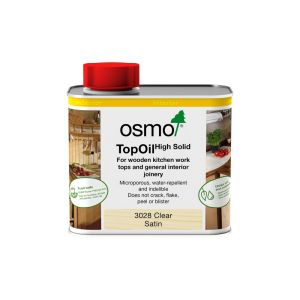
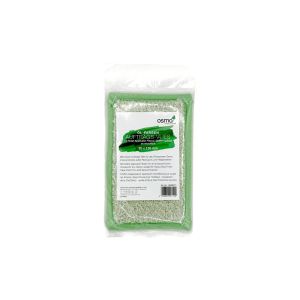
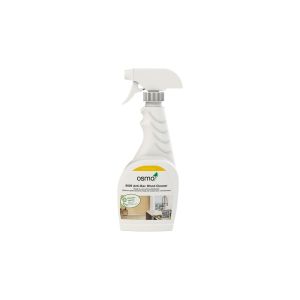
Allow two to three coats and one 500ml tin per 3m board, every face. Osmo TopOil from GBP 24. Full instructions: installation and aftercare guide.
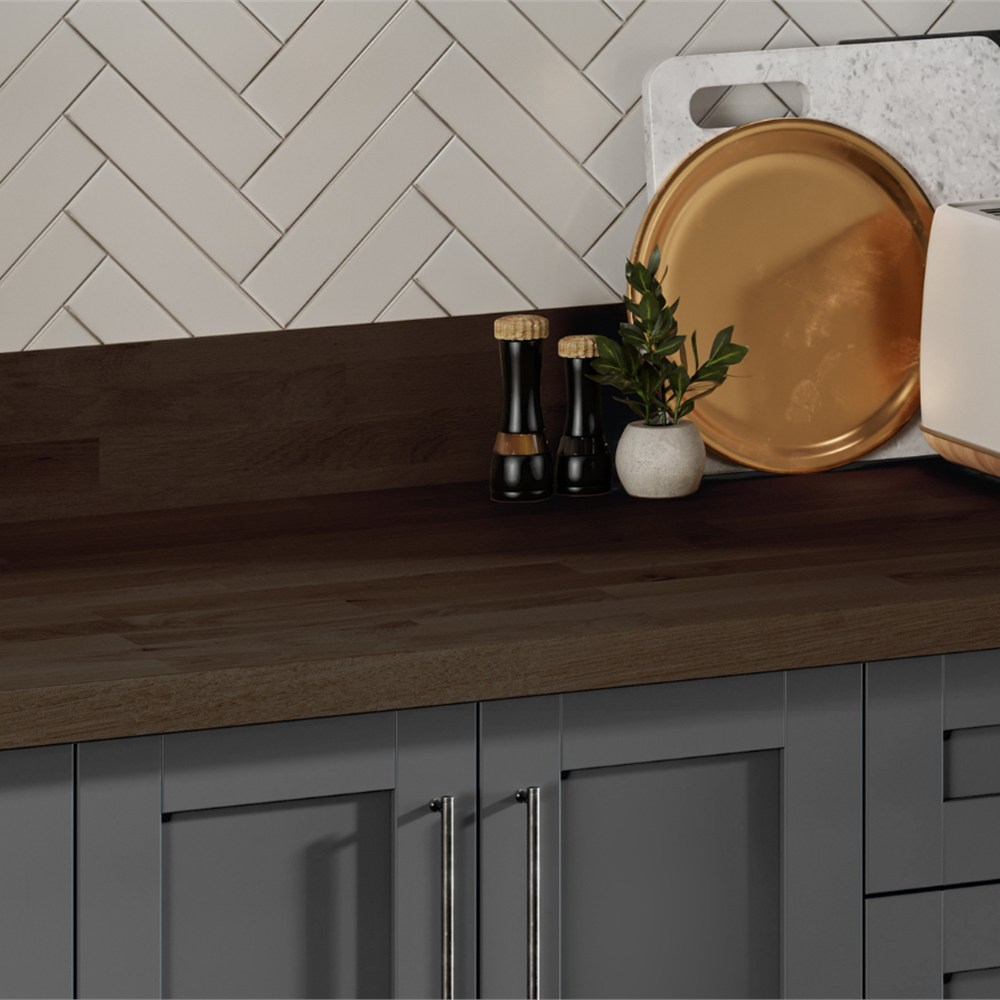
Black kitchen worktops are usually a choice between cold stone and flat laminate print. Black stained oak is the third way: solid European oak, stained deep through the surface so the ripple of real grain catches the light inside the darkness. It reads black across the room and richly wooden up close - and underneath, it is the same 1,360 lbf-hard oak as the rest of the family.
The range runs 40mm thickness at 635mm wide, lengths to 4m, plus 960mm-wide breakfast bars for islands and a matching upstand. Boards arrive sanded, stained and un-oiled - oiling deepens the black and seals the surface for kitchen service.
Oil it like any oak - it stays black
The stain is in the timber, not a coating that oil disturbs. Apply 2-3 coats of clear food-safe worktop oil before fitting; the black deepens slightly and takes on a soft sheen.
| Material | Solid European oak, black stained (grain visible through stain) |
| Construction | Solid staves - 40mm nominal width (38-42mm range) |
| Hardness | Janka approx. 1,360 lbf (6,000 N) - stain changes colour, not toughness |
| Thickness | 40mm |
| Edge Profile | Square edge |
| Surface | Sanded to 120 grit - supplied un-oiled |
| Widths | 635mm worktops - 960mm breakfast bars |
| Weight | 3.2 kg to 86.4 kg per board |
| Brand | De Terra |
| Delivery | GBP 30 two-man delivery to mainland UK, or free Click & Collect from Burnley |
Use a clear food-safe worktop oil - 2-3 coats on every face, edge and cut-out before fitting. Avoid coloured or 'oak-tinted' oils; the board already carries its colour.
Re-oil when water stops beading. Deep scratches can expose paler timber beneath the stained layer - touch in with a black-tinted hard wax oil, available from any worktop oil brand.
Strong direct sunlight softens any stained finish over the years. If your kitchen is a sun-trap, an occasional UV-filtering hard-wax oil keeps the espresso tone even.
Trivets and boards as with all timber - scratches show their pale underside more on black than on natural oak, so prevention matters a little more here.
Light sanding and re-oiling refresh the surface without breaking through the stain. For deep damage, sand locally and blend with black-tinted oil - full renovation is still possible, it just asks for the tinted product.
Storage, oiling, expansion gaps, fixings, cut-outs, joints and everyday care, step by step: read the installation and aftercare guide.
Real solid European oak, stained deep into the surface. There is no paint film to chip and no laminate print to repeat - the grain you see is the actual timber showing through the colour.
The stain penetrates well below daily wear depth, and oiling protects it. Deep gouges can reach paler timber - a black-tinted hard wax oil touches these in invisibly. Direct strong sunlight over years can soften any stained tone; occasional UV-filter oil prevents it.
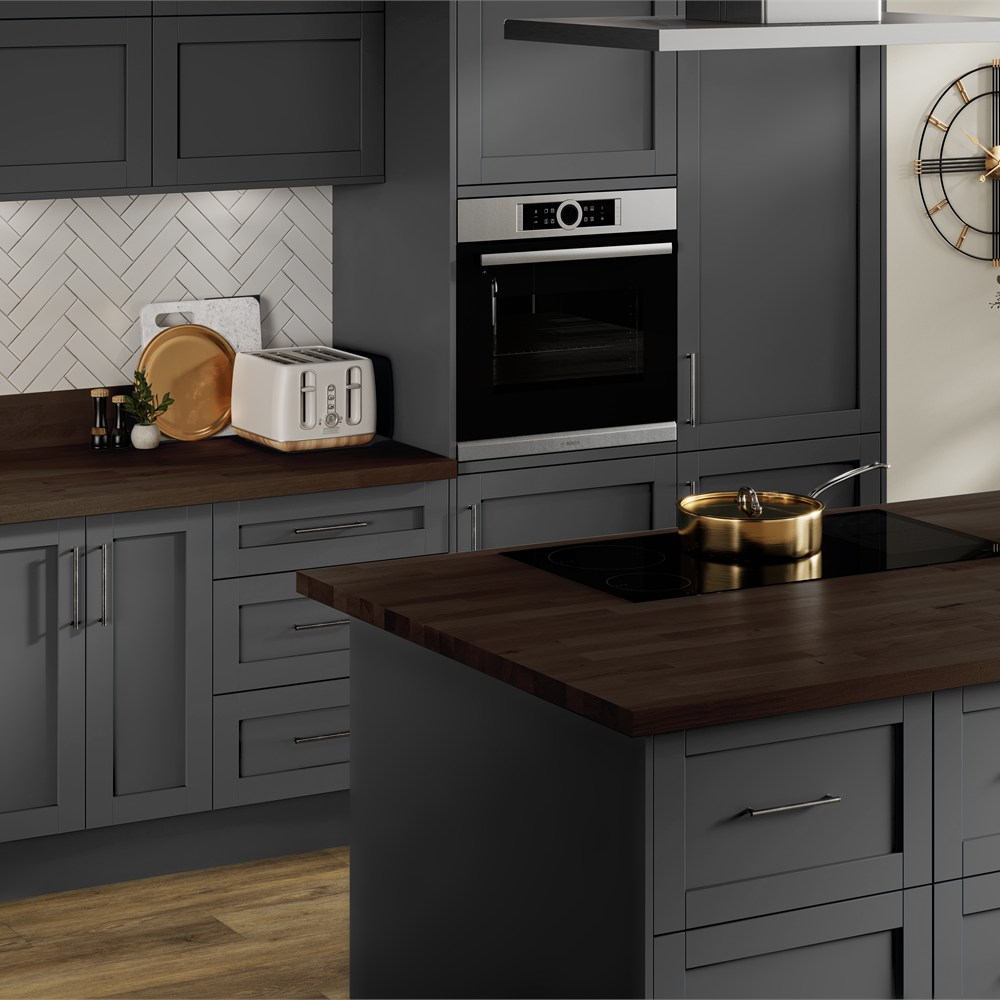
White, cream and light grey kitchens use it for maximum contrast; deep green and navy shakers use it tone-on-tone with brass hardware. It is the range we recommend when someone searches for black kitchen worktops but wants real material, not print.
Exactly like natural oak but with a clear oil: 2-3 coats before fitting, every face and edge, then re-oil when water stops beading. The first coat deepens the black noticeably - that is the intended finished look.
Yes - the stain penetrates far enough that sawn edges stay dark, and any slight lightening at a cut is covered by the two coats of oil every fresh edge needs anyway.
Walnut is nature's dark timber: chocolate brown with flowing variation. Black oak is darker still and more uniform - a design-led black rather than a natural brown. Choose walnut for warmth, black oak for drama.